 PlantFun
Tropical milkweed Toxic?
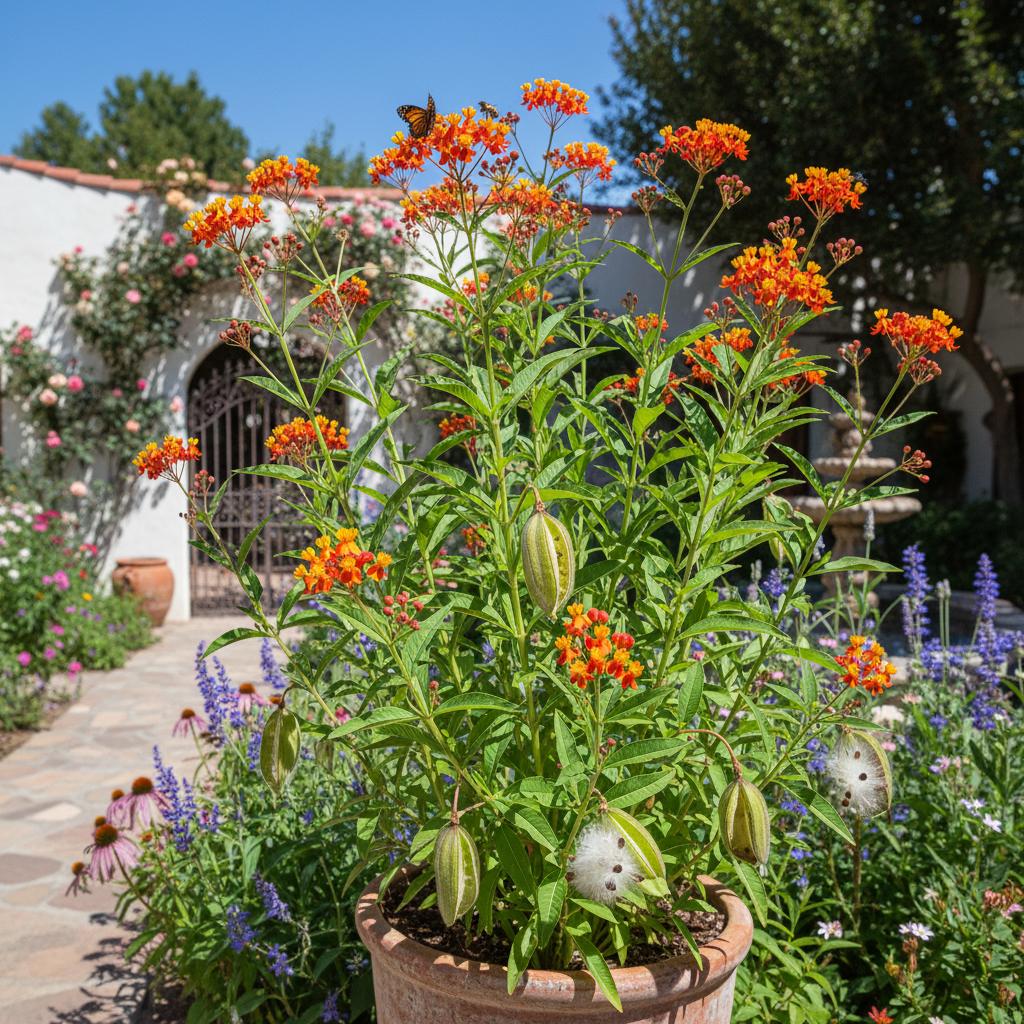
All parts of the plant are toxic, with the highest concentration of harmful compounds found in its milky sap.
Ingestion is fatal to horses, cattle, and sheep, and extremely toxic to birds, especially when alternative food sources are scarce.
Cardiac-active cardenolides and bitter saponin-like steroid glycosides are the primary toxic components.
FAQ
Is Tropical milkweed toxic to Humans?
No specific human toxicity data reported; ingestion may cause nausea, vomiting, abdominal pain, and potential cardiac arrhythmias if large amounts are consumed. (Low)
Is Tropical milkweed toxic to Cats?
No specific feline toxicity data documented; ingestion may cause gastrointestinal upset and mild cardiac effects due to glycoside content. (Low)
Is Tropical milkweed toxic to Dogs?
No specific canine toxicity data documented; ingestion may lead to vomiting, diarrhea, and potential heart rhythm abnormalities if large quantities are eaten. (Low)
Is Tropical milkweed toxic to Horses?
Ingestion can be fatal; expected symptoms include weakness, cardiac dysfunction, respiratory distress, and sudden death without prompt treatment. (Severe)
Toxicity Details
No specific human toxicity data reported; ingestion may cause nausea, vomiting, abdominal pain, and potential cardiac arrhythmias if large amounts are consumed.
No specific feline toxicity data documented; ingestion may cause gastrointestinal upset and mild cardiac effects due to glycoside content.
No specific canine toxicity data documented; ingestion may lead to vomiting, diarrhea, and potential heart rhythm abnormalities if large quantities are eaten.
Ingestion can be fatal; expected symptoms include weakness, cardiac dysfunction, respiratory distress, and sudden death without prompt treatment.
Toxicity Snapshot
First Aid & Prevention
First 30 Minutes
- • Immediately remove any remaining plant material from the mouth of the exposed person or animal.
- • Rinse skin exposed to milky sap thoroughly with cool running water for 10 to 15 minutes.
- • Do not induce vomiting unless explicitly instructed to do so by a medical professional or veterinarian.
Contact Vet Immediately
- • If a horse, cattle, sheep, or bird is confirmed or suspected to have ingested any part of the plant.
- • If any animal or human exhibits vomiting, lethargy, irregular heartbeat, or respiratory distress after exposure.
- • If a cat or dog has ingested more than a small bite of the plant.
Prevention
- • Do not plant tropical milkweed in pastures or areas accessible to grazing livestock, horses, or free-ranging birds.
- • Wear gloves when handling the plant to avoid contact with toxic milky sap.
- • Educate household members and pet owners about the plant's toxicity to prevent accidental ingestion.
Treatment & Prognosis
- • Administer activated charcoal for recent ingestion to reduce toxic compound absorption, as directed by a clinical professional.
- • Provide symptomatic supportive care, including cardiac monitoring and fluid therapy as needed.
- • Follow standard emergency treatment protocols for cardiac glycoside poisoning per clinical toxicology guidelines.
Professional Toxicology
• Cardiac glycosides (cardenolides) disrupt sodium-potassium ATPase function in cardiac cells, leading to abnormal heart rhythm and potential cardiac failure.
• Saponin-like steroid glycosides irritate the gastrointestinal tract and contribute to the plant's bitter taste that usually deters consumption.
Information from CliniTox veterinary text.
The following plants look similar and may be confused:
Related Toxic Plants



Download PlantFun App
Identify, grow and care for plants effectively!
Instant Plant ID
Take a photo to quickly identify plants.
Smart Care Reminders
Generate watering and care schedules.
Toxicity & Disease Diagnosis
Identify toxic plants and pests with treatment advice.

Data Sources
This information is for reference only and does not constitute medical advice. If ingestion or poisoning is suspected, seek medical or veterinary attention immediately.