 PlantFun
Withered Snapdragon Toxic?
Withered Snapdragon is confirmed non-toxic to domestic cats and dogs per standard toxicology databases
No verified toxicity data is available to formally assess ingestion risk for horses as of current assessments
Excessive consumption of any non-food plant may cause mild, temporary digestive upset in all animal species
FAQ
Is Withered Snapdragon toxic to Humans?
No confirmed toxic effects reported; mild abdominal discomfort or loose stools may occur with large, accidental ingestion (Non-toxic)
Is Withered Snapdragon toxic to Cats?
No toxic symptoms expected; mild, short-term vomiting or diarrhea may occur only if extremely large quantities are consumed (Non-toxic)
Is Withered Snapdragon toxic to Dogs?
No toxic symptoms expected; mild, temporary digestive upset may occur with excessive ingestion of plant material (Non-toxic)
Is Withered Snapdragon toxic to Horses?
No confirmed symptom data exists due to unstudied toxicity status; monitor closely if ingestion is suspected (Low)
Toxicity Details
No confirmed toxic effects reported; mild abdominal discomfort or loose stools may occur with large, accidental ingestion
No toxic symptoms expected; mild, short-term vomiting or diarrhea may occur only if extremely large quantities are consumed
No toxic symptoms expected; mild, temporary digestive upset may occur with excessive ingestion of plant material
No confirmed symptom data exists due to unstudied toxicity status; monitor closely if ingestion is suspected
Toxicity Snapshot
First Aid & Prevention
First 30 Minutes
- • Remove any remaining plant material from the affected animal's mouth and surrounding area to stop further ingestion
- • Offer small amounts of fresh, clean water to rinse the mouth and soothe any potential mild oral irritation
- • Monitor the animal closely for 2 to 3 hours for any signs of unusual distress or persistent digestive symptoms
Contact Vet Immediately
- • Your pet displays persistent vomiting, diarrhea, lethargy, or unusual behavior lasting more than 3 hours after ingestion
- • Your horse has consumed any quantity of the plant, given its unconfirmed toxicity status
- • The affected animal has pre-existing digestive disorders or other health conditions that may increase risk of adverse effects
Prevention
- • Avoid planting this species in horse grazing pastures until its toxicity status is formally confirmed
- • Monitor young or curious pets near ornamental plantings to prevent excessive consumption of non-food vegetation
- • Label all ornamental and landscape plants on your property to enable quick identification in case of accidental ingestion
Treatment & Prognosis
- • No targeted treatment is required for small incidental ingestion in cats or dogs, as no toxic effects are expected
- • For large ingestion causing mild digestive upset, provide supportive care including oral fluids and a bland diet for 24 to 48 hours
- • If a horse ingests the plant, contact a veterinarian immediately for personalized evaluation and guidance
Professional Toxicology
• No toxic mechanism of action has been identified for this species in cats or dogs; potential effects in horses are unstudied
Information from CliniTox veterinary text.
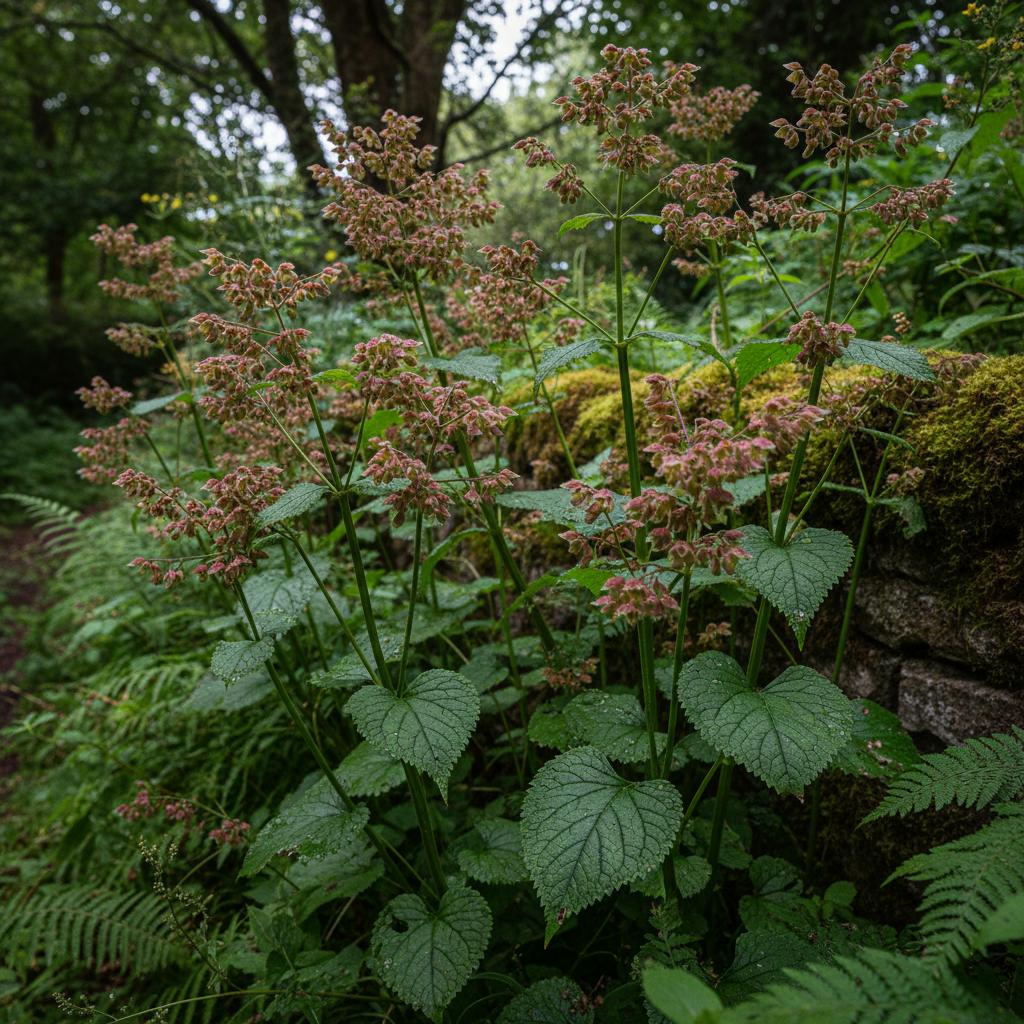
The following plants look similar and may be confused:
Related Toxic Plants

Download PlantFun App
Identify, grow and care for plants effectively!
Instant Plant ID
Take a photo to quickly identify plants.
Smart Care Reminders
Generate watering and care schedules.
Toxicity & Disease Diagnosis
Identify toxic plants and pests with treatment advice.

Data Sources
This information is for reference only and does not constitute medical advice. If ingestion or poisoning is suspected, seek medical or veterinary attention immediately.