 PlantFun
Jerusalem Oak Toxic?
Ambrosia mexicana is confirmed toxic to cats and dogs, while its toxicity risk to horses remains unstudied to date.
Sesquiterpene lactones are the identified primary toxic principle of the plant per ASPCA research.
Common clinical signs of ingestion in affected animals include vomiting, anorexia, and depressive behavior.
FAQ
Is Jerusalem Oak toxic to Humans?
No confirmed human toxicity cases are documented in available public data, precaution is recommended. (Low)
Is Jerusalem Oak toxic to Cats?
Vomiting, anorexia, depression (Low)
Is Jerusalem Oak toxic to Dogs?
Vomiting, anorexia, depression (Low)
Is Jerusalem Oak toxic to Horses?
Toxicity risk is unconfirmed, no formal clinical symptom data is available for equines. (Low)
Toxicity Details
No confirmed human toxicity cases are documented in available public data, precaution is recommended.
Vomiting, anorexia, depression
Vomiting, anorexia, depression
Toxicity risk is unconfirmed, no formal clinical symptom data is available for equines.
Toxicity Snapshot
First Aid & Prevention
First 30 Minutes
- • Immediately remove any remaining plant material from the exposed animal's mouth and cut off access to remaining plants.
- • Do not induce vomiting unless explicitly directed to do so by a licensed veterinarian.
- • Collect a full sample of the ingested plant to share with your vet for accurate identification.
Contact Vet Immediately
- • Your cat or dog has ingested any quantity of Jerusalem Oak.
- • Your pet develops vomiting, loss of appetite, or lethargy after potential exposure to this plant.
- • You suspect exposure and your animal is exhibiting unusual behavioral changes.
Prevention
- • Remove all Jerusalem Oak plants from yards, pastures, and other areas accessible to pets and grazing animals.
- • Train household members and animal caretakers to identify this plant to avoid accidental feeding or exposure.
- • Supervise pets and livestock when in wild areas where Ambrosia mexicana is known to grow.
Treatment & Prognosis
- • Veterinary supportive care including fluid therapy to offset dehydration from repeated vomiting.
- • Symptomatic treatment with anti-emetics to control vomiting and appetite stimulants for prolonged anorexia.
- • Monitoring of central nervous system function and gastrointestinal health until all symptoms resolve fully.
Professional Toxicology
• Sesquiterpene lactones irritate the gastrointestinal mucosa upon ingestion, triggering vomiting and reduced food intake.
• Compounds exert mild depressant effects on the central nervous system, leading to lethargy and depressive symptoms in affected animals.
Information from CliniTox veterinary text.
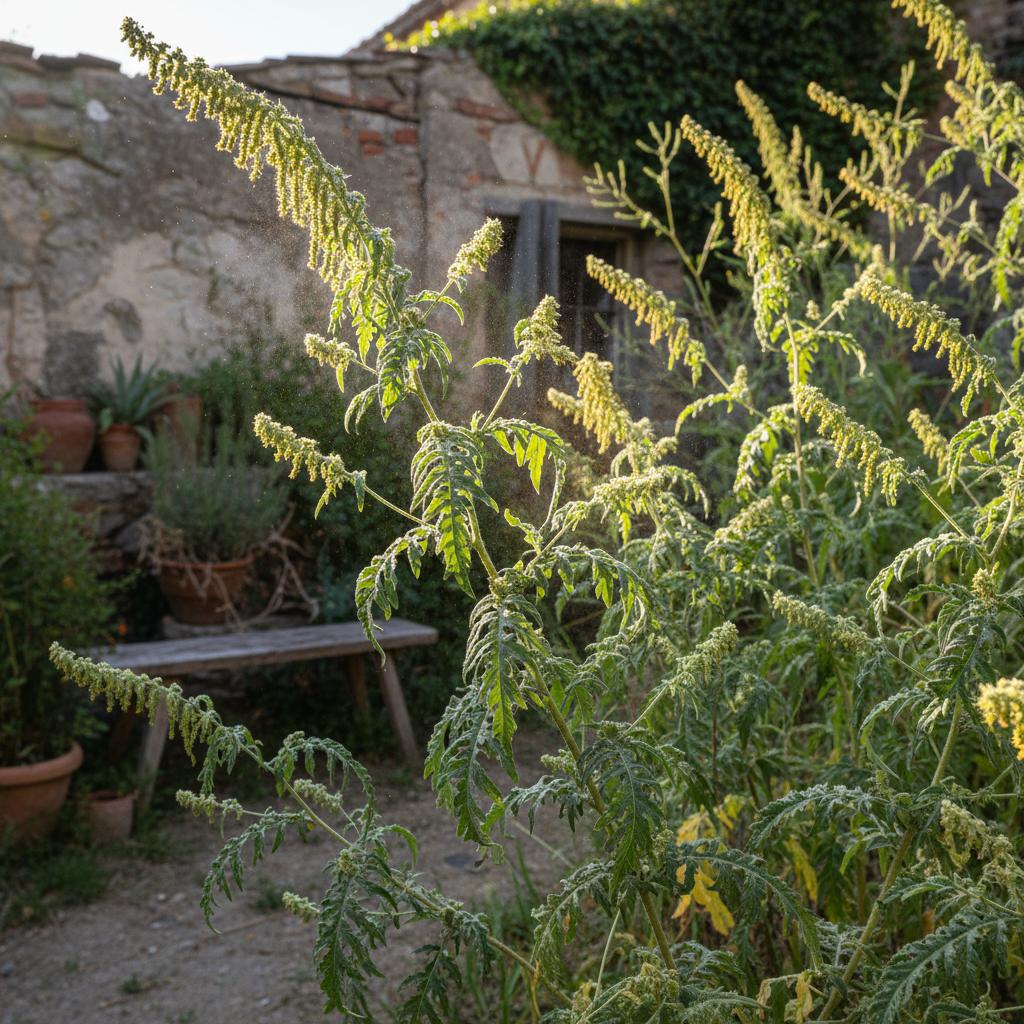
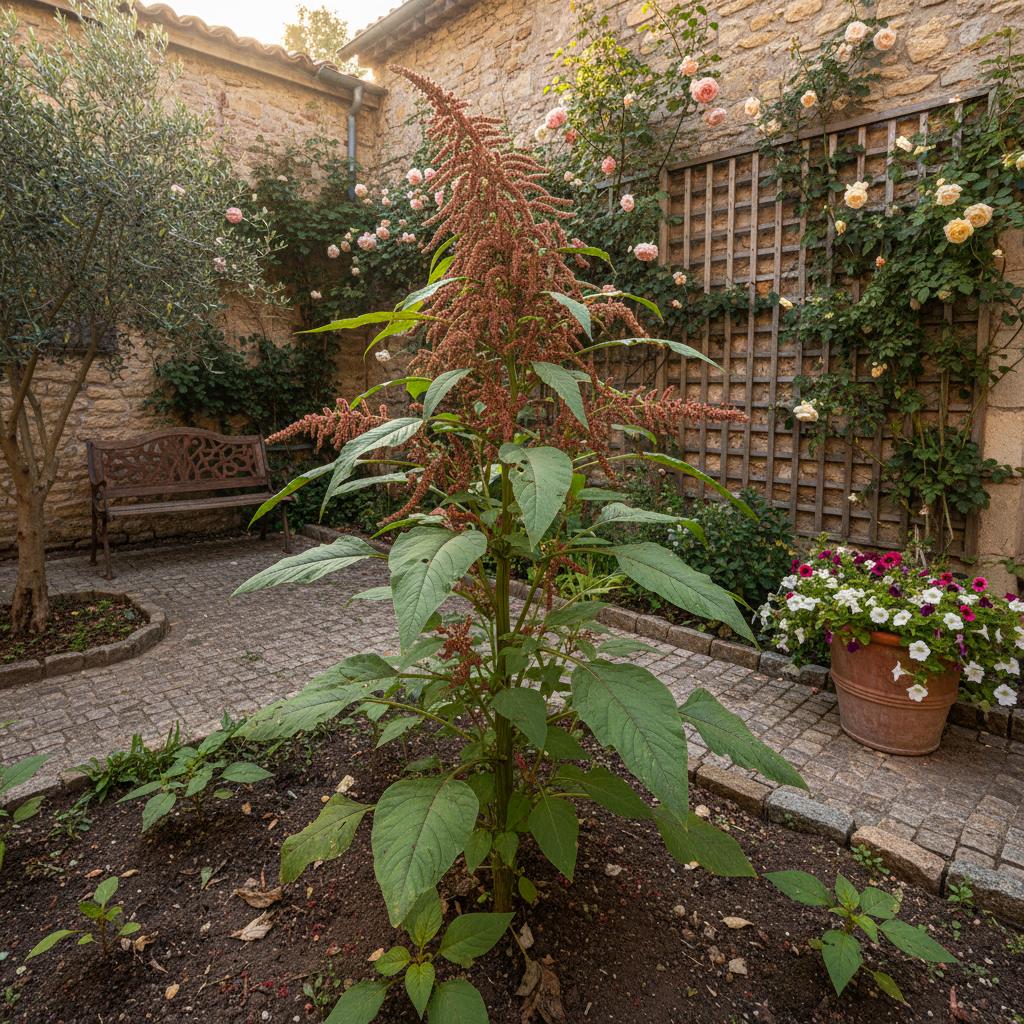
The following plants look similar and may be confused:
Related Toxic Plants
Download PlantFun App
Identify, grow and care for plants effectively!
Instant Plant ID
Take a photo to quickly identify plants.
Smart Care Reminders
Generate watering and care schedules.
Toxicity & Disease Diagnosis
Identify toxic plants and pests with treatment advice.

Data Sources
This information is for reference only and does not constitute medical advice. If ingestion or poisoning is suspected, seek medical or veterinary attention immediately.