 PlantFun
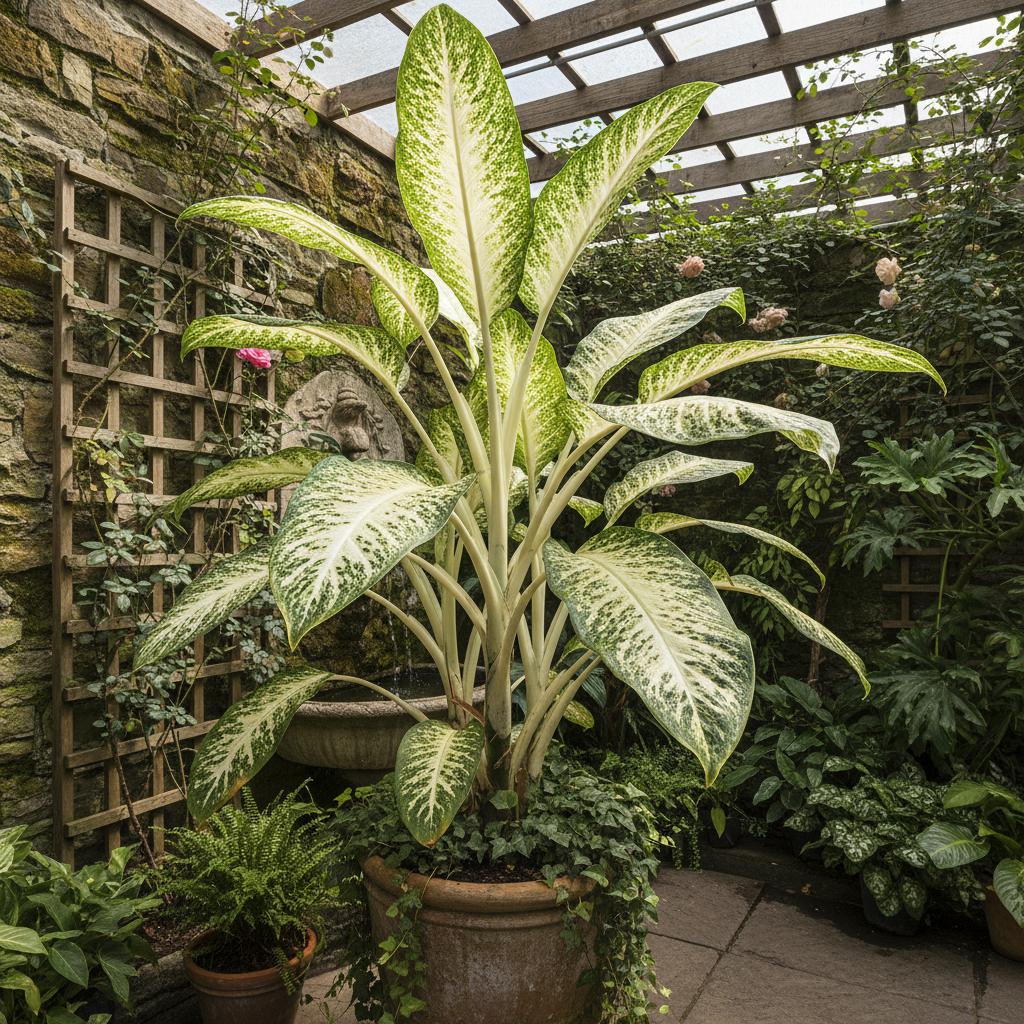
Sander's alocasia Toxic?

All parts of the plant, including standing water in its pot saucer, are toxic to humans, pets and birds
Needle-shaped calcium oxalate crystals, glycosides and saponins drive the plant's toxic effects
Birds face extremely high risk of severe, potentially fatal poisoning from even small ingestion amounts
FAQ
Is Sander's alocasia toxic to Humans?
Oral pain and irritation, excessive salivation, difficulty swallowing, vomiting, diarrhea, gum/gastrointestinal bleeding, shortness of breath from throat swelling (Moderate)
Is Sander's alocasia toxic to Cats?
No species-specific symptoms reported; expected effects include salivation, mouth pain, vomiting, diarrhea, difficulty swallowing and throat swelling (Moderate)
Is Sander's alocasia toxic to Dogs?
No species-specific symptoms reported; expected effects include salivation, mouth pain, vomiting, diarrhea, difficulty swallowing and throat swelling (Moderate)
Is Sander's alocasia toxic to Horses?
No species-specific symptoms reported; expected effects include salivation, mouth pain, vomiting, diarrhea, difficulty swallowing and throat swelling (Moderate)
Toxicity Details
Oral pain and irritation, excessive salivation, difficulty swallowing, vomiting, diarrhea, gum/gastrointestinal bleeding, shortness of breath from throat swelling
No species-specific symptoms reported; expected effects include salivation, mouth pain, vomiting, diarrhea, difficulty swallowing and throat swelling
No species-specific symptoms reported; expected effects include salivation, mouth pain, vomiting, diarrhea, difficulty swallowing and throat swelling
No species-specific symptoms reported; expected effects include salivation, mouth pain, vomiting, diarrhea, difficulty swallowing and throat swelling
Toxicity Snapshot
First Aid & Prevention
First 30 Minutes
- • Rinse mouth thoroughly with cool water immediately if any plant material is ingested
- • Wash affected skin with soap and water for 10-15 minutes if exposed to plant sap
- • Flush eyes with lukewarm clean water for at least 15 minutes if plant material enters eyes
- • Do not induce vomiting unless explicitly directed by a medical or veterinary professional
Contact Vet Immediately
- • Any ingestion of the plant by birds, cats, dogs, horses, or small children
- • Presence of difficulty breathing, bleeding from the mouth/stool, or persistent vomiting/diarrhea
- • Visible swelling of the lips, mouth, or throat that impairs swallowing or breathing
Prevention
- • Keep the plant placed well out of reach of children, pets, and pet birds
- • Wear disposable gloves when pruning or handling the plant to avoid contact with irritant sap
- • Regularly empty water from the plant's pot saucer to prevent accidental ingestion of toxic standing water
Treatment & Prognosis
- • Perform appropriate decontamination based on the route of exposure
- • Administer analgesics to manage pain from mucosal irritation
- • Prescribe antihistamines for mild swelling, and glucocorticoids for severe mucosal or throat swelling
- • Provide calcium supplementation for cases of very large ingestion to address oxalate-induced hypocalcemia
- • Deliver symptomatic supportive care as needed for presenting clinical signs
Professional Toxicology
• Needle-like calcium oxalate raphides penetrate mucous membranes on contact, causing immediate pain, irritation, and swelling
• Soluble oxalates bind to systemic calcium, potentially leading to low blood calcium levels and organ damage in cases of large ingestion
• Cyanogenic glycosides, arin, and saponins contribute to gastrointestinal irritation, bleeding, and systemic toxic effects
Information from CliniTox veterinary text.
The following plants look similar and may be confused:
Related Toxic Plants


Download PlantFun App
Identify, grow and care for plants effectively!
Instant Plant ID
Take a photo to quickly identify plants.
Smart Care Reminders
Generate watering and care schedules.
Toxicity & Disease Diagnosis
Identify toxic plants and pests with treatment advice.

Data Sources
This information is for reference only and does not constitute medical advice. If ingestion or poisoning is suspected, seek medical or veterinary attention immediately.