 PlantFun
Amur Maple Toxic?
Amur Maple is confirmed non-toxic to domestic cats and dogs, with no documented poisoning cases for these species
The toxicity of Amur Maple to horses is currently unevaluated, so equine exposure risks are unknown
No specific toxic compounds for this maple species have been identified by the ASPCA to date
FAQ
Is Amur Maple toxic to Humans?
No confirmed human toxicity cases or associated clinical symptoms are documented for this species (Unknown)
Is Amur Maple toxic to Cats?
No known toxic symptoms; this species is confirmed non-toxic to cats (Non-toxic)
Is Amur Maple toxic to Dogs?
No known toxic symptoms; this species is confirmed non-toxic to dogs (Non-toxic)
Is Amur Maple toxic to Horses?
Toxicity unconfirmed; related maple species may cause red blood cell destruction, weakness, and discolored urine in horses (Unknown)
Toxicity Details
No confirmed human toxicity cases or associated clinical symptoms are documented for this species
No known toxic symptoms; this species is confirmed non-toxic to cats
No known toxic symptoms; this species is confirmed non-toxic to dogs
Toxicity unconfirmed; related maple species may cause red blood cell destruction, weakness, and discolored urine in horses
Toxicity Snapshot
First Aid & Prevention
First 30 Minutes
- • If your cat or dog ingests Amur Maple, monitor them briefly for unusual digestive upset as a routine precaution
- • If your horse ingests any quantity of Amur Maple, immediately restrict further access to the plant
- • Collect samples of the ingested plant to confirm species identification if symptoms develop
Contact Vet Immediately
- • Your horse shows signs of weakness, lethargy, or discolored urine after ingesting Amur Maple
- • Your cat or dog develops persistent vomiting, diarrhea, or unusual behavior after ingesting large amounts of the plant
- • You cannot confirm the identity of the plant your animal has ingested
Prevention
- • Prevent horses from grazing on Amur Maple until formal equine toxicity studies are available
- • Identify all plants in your home and grazing areas to confirm safety for all resident pets and livestock
- • Remove confirmed toxic maple species (e.g. Red Maple) from areas accessible to horses
Treatment & Prognosis
- • Provide general supportive care for any presented digestive symptoms in small animals per veterinary guidance
- • If equine hemolysis (red blood cell destruction) is suspected, administer veterinary-directed therapies to address anemia and kidney damage
- • Monitor blood values in exposed horses for a minimum of 24 hours to catch potential delayed toxic effects
Professional Toxicology
• Toxic mechanism for this species is unconfirmed; related toxic maple species cause oxidative damage to equine red blood cells leading to hemolysis
Information from CliniTox veterinary text.
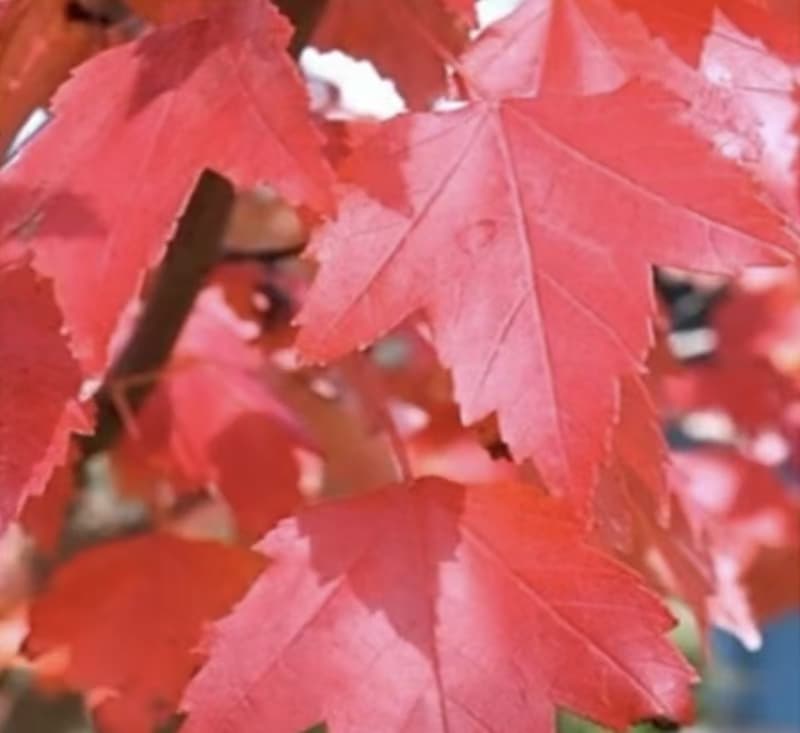
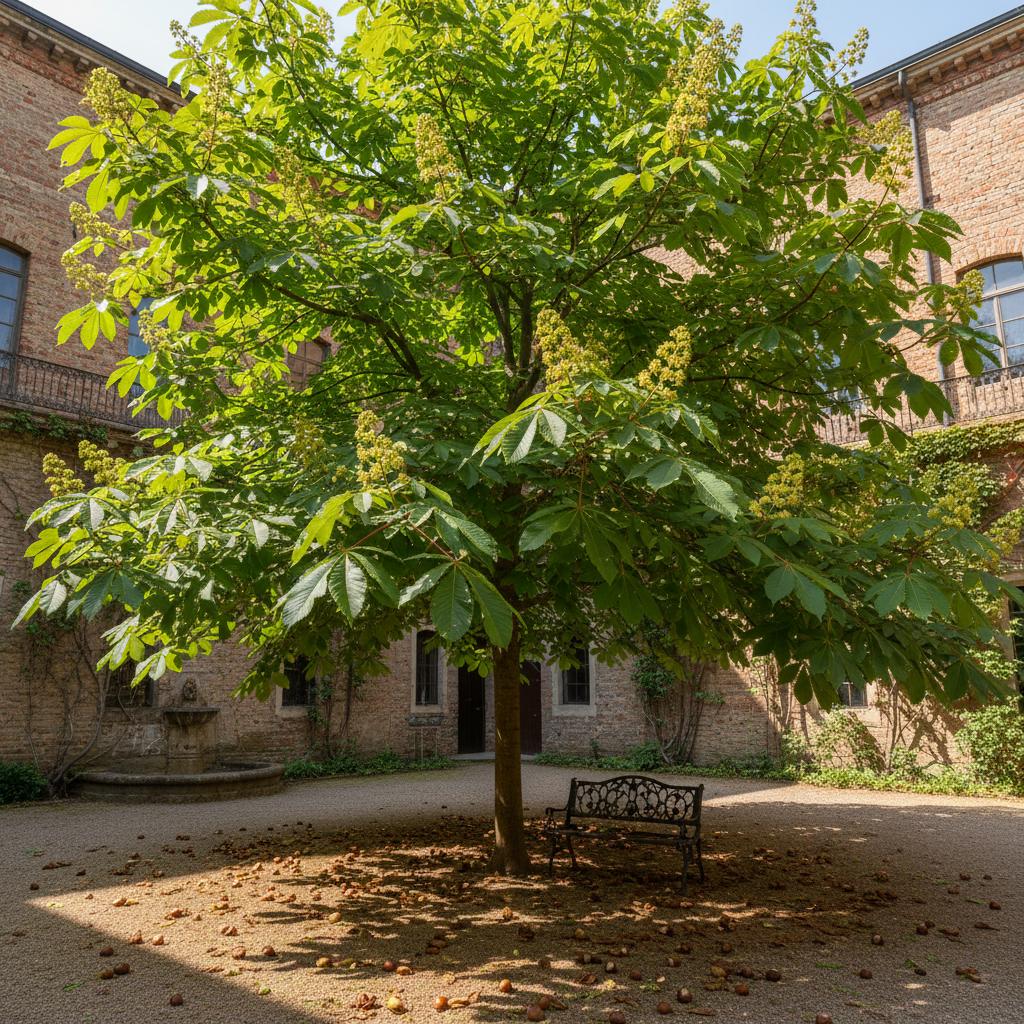
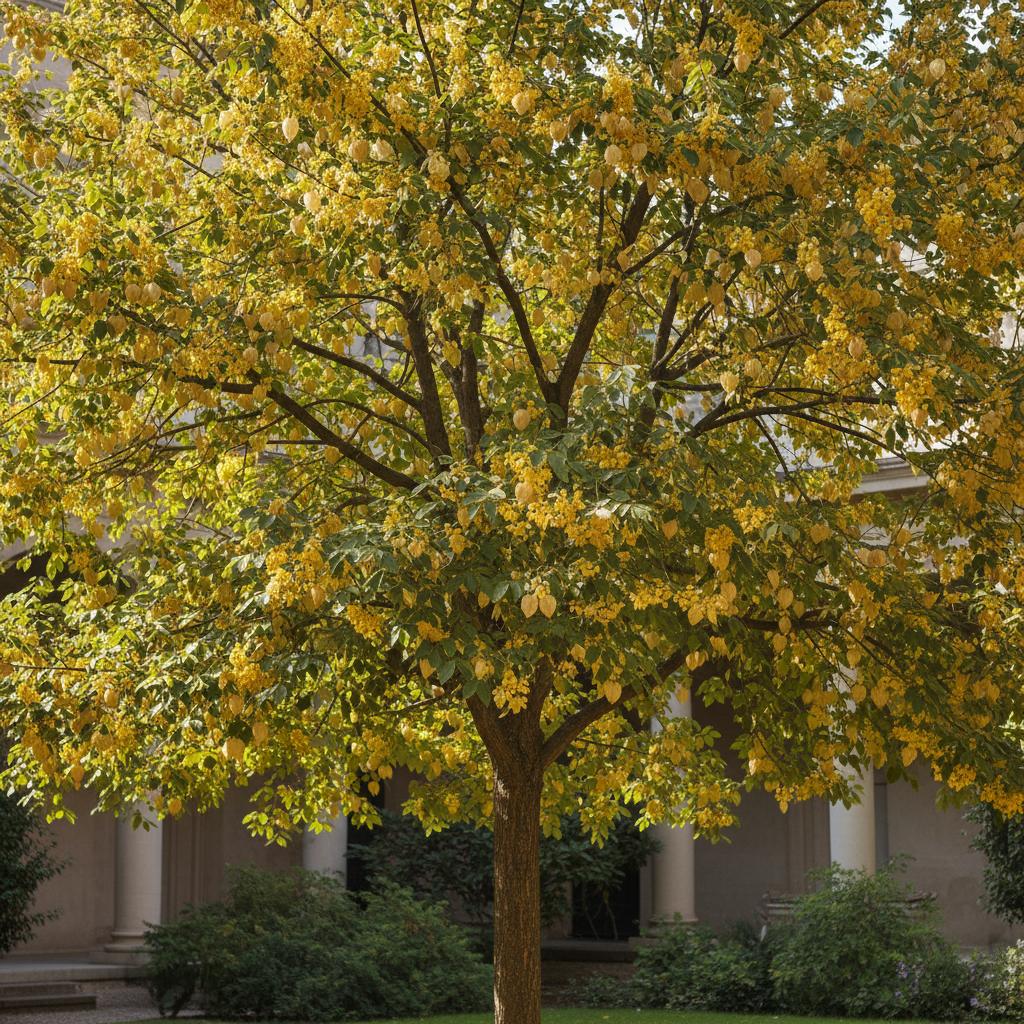
The following plants look similar and may be confused:
Related Toxic Plants
Download PlantFun App
Identify, grow and care for plants effectively!
Instant Plant ID
Take a photo to quickly identify plants.
Smart Care Reminders
Generate watering and care schedules.
Toxicity & Disease Diagnosis
Identify toxic plants and pests with treatment advice.

Data Sources
This information is for reference only and does not constitute medical advice. If ingestion or poisoning is suspected, seek medical or veterinary attention immediately.